

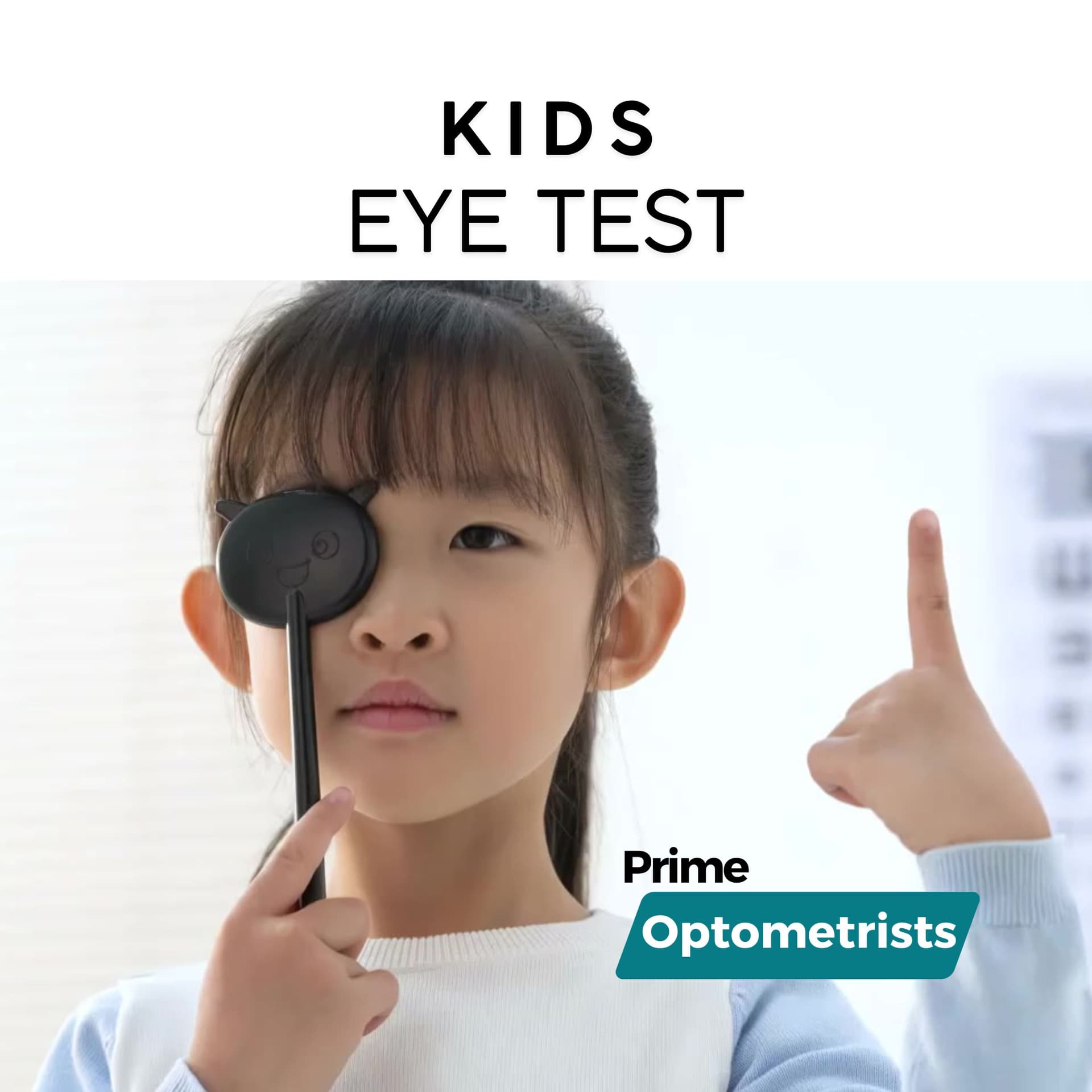
Myopia, commonly known as short-sightedness, is one of the fastest-growing health concerns for Australian children. If your child is squinting at the whiteboard, sitting closer to the TV, or complaining of headaches after school, a children's eye test should be your first step.
What Is Myopia?
Myopia occurs when the eye grows slightly too long, causing light to focus in front of the retina rather than on it. The result: distant objects appear blurry, while close objects are clear. It's typically diagnosed between ages 6–14, and if left unmanaged, can worsen significantly throughout childhood and into early adulthood.
Research shows that children in urban environments, including Western Sydney suburbs like Auburn, Lidcombe, Parramatta and Granville, are developing myopia at significantly higher rates than previous generations, largely due to increased near-work (screens, reading) and reduced outdoor time.
Signs Your Child May Have Myopia
- Squinting to see the board or TV
- Sitting closer to screens than necessary
- Frequent headaches, especially after school
- Rubbing eyes or complaining of tired eyes
- Losing interest in sport or outdoor activities
- Holding books or devices very close to their face
Children often don't realise their vision is poor, they assume everyone sees the same way they do. This is why regular eye tests from age 3–4 are so important, even if your child hasn't complained of any problems.
Why Early Detection Matters
Untreated myopia doesn't just affect school performance. High myopia (above -6.00 dioptres) significantly increases the lifetime risk of serious eye diseases including:
- Retinal detachment
- Glaucoma
- Macular degeneration
- Cataracts at an earlier age
The goal of myopia control isn't just clearer vision today, it's reducing your child's lifetime risk of these conditions by slowing how quickly the eye grows.
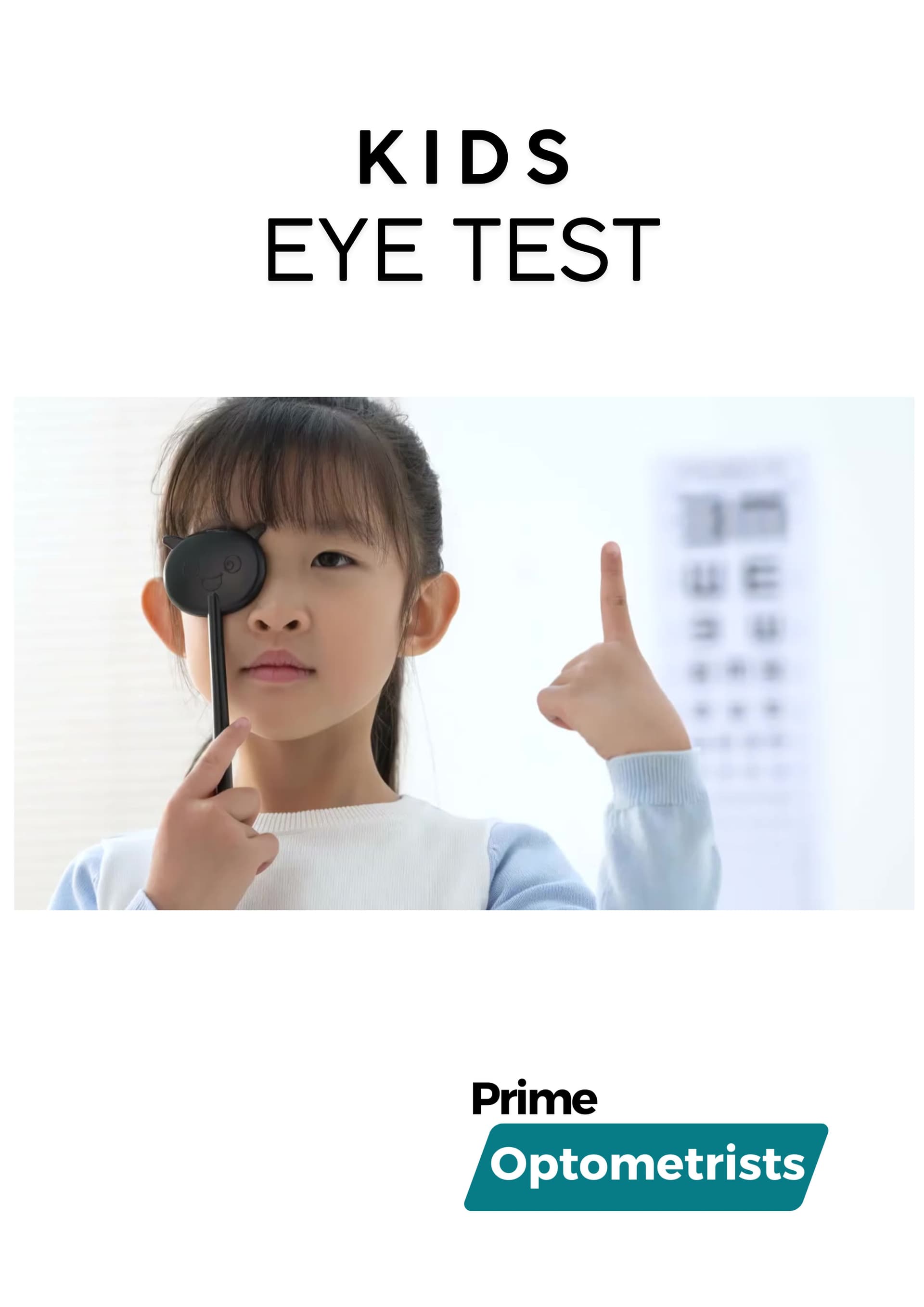
Modern Myopia Control Treatments
At Prime Optometrists Auburn, we offer evidence-based myopia management programs tailored to each child. The most effective treatments currently available include:
MiSight Daily Contact Lenses
FDA-approved daily disposable contact lenses specifically designed to slow myopia progression in children aged 8–15. Comfortable, easy to use, and clinically proven to reduce progression by an average of 59%.
Atropine Eye Drops
Low-concentration atropine drops (0.01–0.05%) applied nightly have strong clinical evidence for slowing myopia progression with minimal side effects. Often used in combination with other treatments.
Multifocal Spectacle Lenses
Specially designed glasses lenses (such as Stellest or MyoSmart) that provide clear vision while reducing the stimulus for the eye to grow. A great option for younger children not yet ready for contact lenses.
Lifestyle Factors That Help
Research consistently shows that outdoor time is the single biggest protective factor against myopia development. Aim for at least 90 minutes outdoors daily, the bright light exposure triggers dopamine release in the retina, which is thought to slow eye growth.
- Take regular breaks using the 20-20-20 rule (every 20 minutes, look 20 feet away for 20 seconds)
- Hold reading material at arm's length
- Prioritise outdoor play over screen time
- Ensure good lighting when reading
“The best time to start myopia management is as early as possible, before the prescription gets high. Every dioptre we prevent matters for their long-term eye health.”
, Dr Zobaida Tahiri, Optometrist Auburn
When Should You Book a Children's Eye Test?
We recommend children have their first eye test before starting school (around age 4–5), and then annually thereafter. If there is a family history of myopia, earlier and more frequent testing is warranted.
At Prime Optometrists in Auburn NSW 2144, we specialise in paediatric eye care and offer a warm, child-friendly environment. Children's eye tests are bulk billed under Medicare, meaning they're free for most families with a valid Medicare card.