

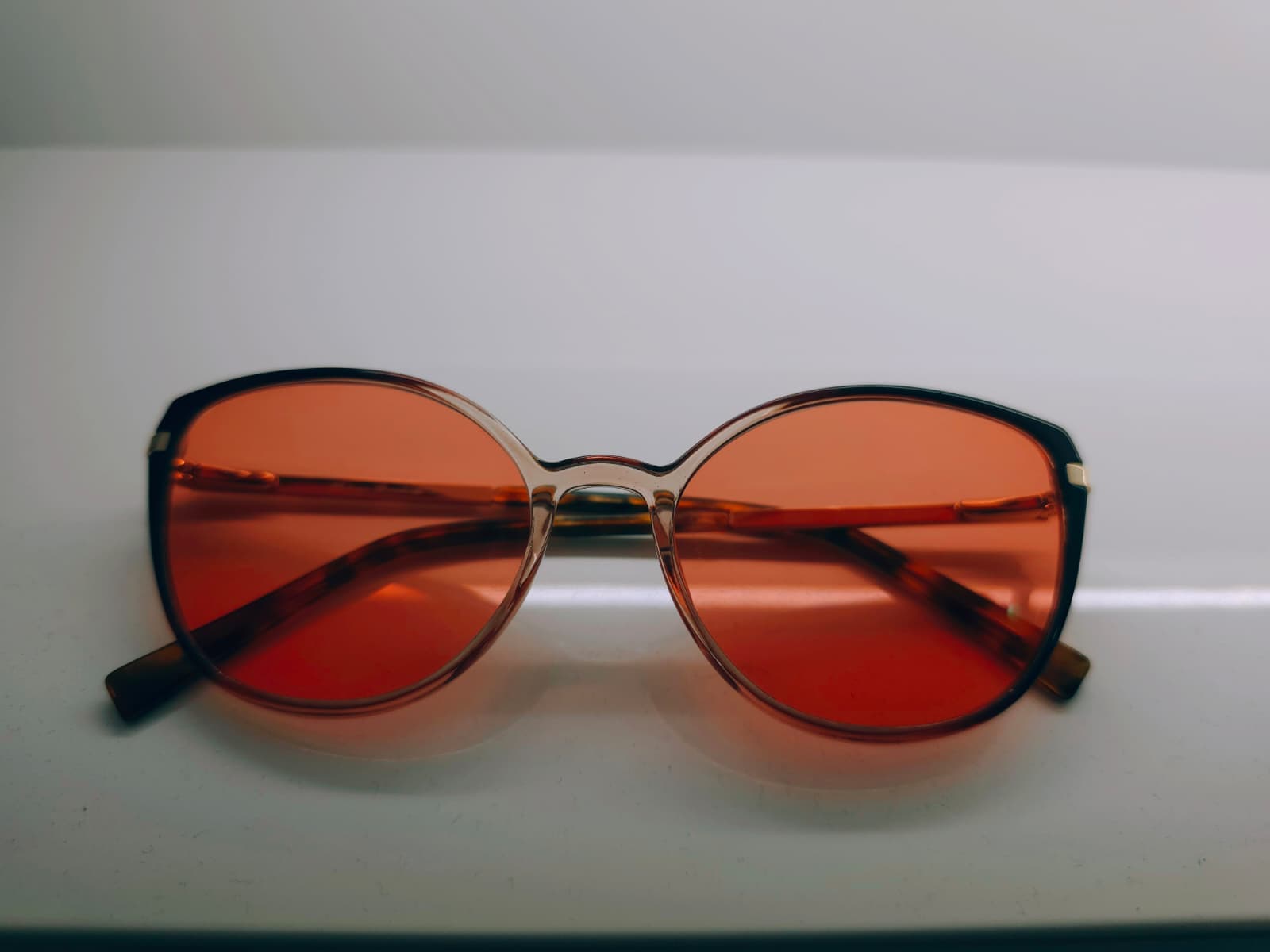
Childhood migraine is more common than many parents realise. Approximately 8 to 10 percent of school-age children experience migraines, and light sensitivity is one of the most disabling symptoms they report. A child who cannot tolerate classroom fluorescent lighting, computer screens, or bright outdoor sunlight faces significant challenges to learning, concentration, and daily wellbeing. FL-41 tinted lenses offer a clinically studied, non-pharmacological option that can be incorporated into a child's prescription glasses.
How Common Are Migraines in Children?
Migraine in children is often underdiagnosed because its presentation differs from adult migraine. Children frequently experience bilateral (both-sided) headache rather than the classic unilateral presentation. Attacks may be shorter in duration. Abdominal migraine, characterised by recurring abdominal pain rather than headache, is a recognised childhood migraine variant. Despite these differences, the light sensitivity component (photophobia) is common across childhood migraine presentations and is one of the most reported triggers and worsening factors.
In children with migraine, the visual cortex is characterised by the same hyperexcitability seen in adult migraine patients. This means children may be particularly sensitive to the blue-green wavelengths of fluorescent classroom lighting, LED screens, and bright overhead lights in public spaces. The school environment, with its extended exposure to fluorescent lighting and screen use, can be a significant migraine trigger for susceptible children.
The Evidence for FL-41 in Childhood Migraine
The clinical evidence for FL-41 lenses in childhood migraine is among the strongest in the migraine glasses literature. A peer-reviewed paediatric study found that children wearing FL-41 tinted lenses experienced approximately 74 percent fewer migraine attacks compared to a control group. This is a substantial and clinically meaningful reduction in attack frequency. The children in the study wore their FL-41 glasses during the day in environments with artificial lighting, including classrooms and during screen use at home.
The mechanism for this benefit in children is the same as in adults. Intrinsically photosensitive retinal ganglion cells (ipRGCs) in the retina are maximally sensitive to the 480 to 520nm blue-green wavelength range. FL-41 lenses attenuate this range, reducing the photonic input that activates sensitised pain pathways in the migraine-prone visual system. Children in fluorescent-lit classrooms are exposed to this wavelength range for 6 or more hours per day during the school week. Reducing this exposure consistently through the school day represents a meaningful reduction in the cumulative light load that contributes to migraine triggering.
Why Sunglasses Indoors Make Things Worse
A common response when a child is light-sensitive is to let them wear sunglasses indoors. This is understandable, but it creates a problem known as dark adaptation. Wearing very dark lenses indoors causes the visual system to become even more sensitive to light over time, because the brain lowers its stimulation threshold in response to consistently low light levels. When dark-adapted eyes then encounter normal indoor lighting, the perceived brightness is amplified. This paradoxically worsens photophobia with sustained indoor use of dark sunglasses.
FL-41 lenses address this by selectively filtering the activating wavelength rather than simply reducing all light. They allow comfortable light adaptation to continue while blocking the specific component most responsible for triggering ipRGC-mediated pain. Children can wear FL-41 glasses throughout the school day without the dark adaptation problem associated with indoor sunglass use.
Getting FL-41 Glasses for Your Child at Prime Optometrists
At Prime Optometrists Auburn, FL-41 lenses can be incorporated into a child's full optical prescription, including correction for myopia, hyperopia, or astigmatism. A comprehensive children's eye examination is bulk billed under Medicare for eligible card holders, so the consultation cost is covered for the assessment itself.
During the assessment, I review the child's prescription, the pattern of their light sensitivity triggers, and the environments in which migraines occur most frequently. I then advise on the appropriate FL-41 tint density and frame choice for their age, face size, and activity level. I also assess binocular vision function (how well the two eyes work together in terms of tracking, focusing, and alignment), as binocular vision anomalies are common in children and can independently contribute to headache. Where binocular vision issues are present alongside migraine, addressing both often produces better outcomes than either intervention alone.
Practical Advice for Parents
Several steps can help manage light sensitivity in a child with migraine while FL-41 glasses are being assessed or used.
Schools: Speak with the class teacher and school nurse about your child's migraine and light sensitivity. Many schools can seat a child away from directly under fluorescent lights, allow outdoor hat wear, or permit brief rest in a lower-lit area during an attack. A brief supporting letter from your optometrist or GP can assist with these adjustments.
Screens: Reduce screen brightness to the minimum comfortable level and increase font size where possible. Dark mode on devices can reduce the blue-green light load further. Limit extended screen use during the 24 hours following a migraine attack, when the visual system is most sensitised.
Consistency: FL-41 glasses work best when worn consistently in triggering environments, not only during or after attacks. Encourage your child to wear them throughout the school day, during homework and screen time, and in brightly lit public spaces.
Medical care: FL-41 glasses are a complementary optical tool, not a replacement for medical management of childhood migraine. If your child is experiencing frequent migraines, please ensure they are under the care of a GP or paediatrician who can assess their overall management plan. Some children benefit from preventive medication in addition to non-pharmacological approaches such as FL-41 glasses.
“Children with migraines deserve access to every evidence-based tool we can offer. FL-41 lenses are one of the few optical interventions with genuine paediatric clinical trial data, and incorporating them into a child's prescription glasses is a practical step that can make a real difference to their school experience.”
Dr Zobaida Tahiri, Optom, Therapeutically Endorsed Optometrist, Auburn NSW
Book a children's FL-41 assessment at Prime Optometrists Auburn. The comprehensive eye examination is bulk billed under Medicare for eligible card holders. We are experienced in making young patients comfortable during their assessment. Call (02) 9761 0005 or book online.
Book a children's appointmentFL-41 lenses are precision-tinted optical lenses, not a therapeutic device. They are not a substitute for medical management of childhood migraine. Results vary between individuals. Consult your GP or paediatrician regarding your child's overall migraine management plan.
Read more: FL-41 Migraine Glasses: The Science Behind Tinted Lenses, Can Children Get Headaches From Eye Strain?, and Signs Your Child Needs Glasses.