

During the holy month of Ramadan, Muslims in Auburn and across Western Sydney observe a fast from food and water from dawn (Fajr) to sunset (Maghrib). This extended period without fluid intake creates conditions that can significantly worsen dry eye disease and ocular surface symptoms,and raises questions about whether eye drops are permissible during fasting hours.
How Fasting Affects Eye Comfort
The tear film is approximately 98% water. Adequate systemic hydration is essential for maintaining tear production and tear quality. During a fast of 14–18 hours (typical in Australian summers during Ramadan), systemic dehydration reduces tear volume and alters tear film composition, leading to:
- Increased dry eye symptoms during fasting hours,burning, grittiness, and discomfort that worsens through the afternoon
- Faster tear film breakup time
- More frequent and pronounced symptoms in patients who already have dry eye disease
- Contact lens discomfort that worsens as the fast progresses
Are Eye Drops Permissible During Ramadan Fasting?
This is a question that patients frequently ask us, and the answer involves both Islamic jurisprudence (fiqh) and clinical pharmacology. The majority scholarly opinion, including rulings from leading Islamic scholars and bodies such as the Islamic Fiqh Academy, is that eye drops do not break the fast, as the eye is not considered a pathway to the stomach, and the minimal systemic absorption of ophthalmic drops is negligible and unintentional.
Patients who have concerns should consult with their own religious scholars, as individual rulings may vary. From a clinical perspective, if eye drops are needed for a therapeutic purpose, withholding them carries real risk of harm,and we can discuss scheduling them for non-fasting hours where this is clinically feasible.
Contact Lenses During Ramadan
Contact lenses are generally permissible during Ramadan fasting. The physical insertion of a contact lens does not break the fast. However, lens discomfort due to dehydration is common, and lubricant drops used during fasting should follow the ruling discussed above. Daily disposable lenses are preferred during Ramadan to minimise maintenance burden.
Practical Tips for Eye Comfort During Ramadan
- Hydrate thoroughly during Suhoor (pre-dawn meal) and after Iftar (breaking the fast)
- Use preservative-free lubricant eye drops,particularly in the late afternoon when dryness is most pronounced
- Reduce contact lens wearing hours during fasting hours if discomfort is significant
- Schedule any non-urgent eye appointments for after Iftar if preferred
- Increase omega-3 fatty acid intake at Suhoor and Iftar meals to support tear film quality
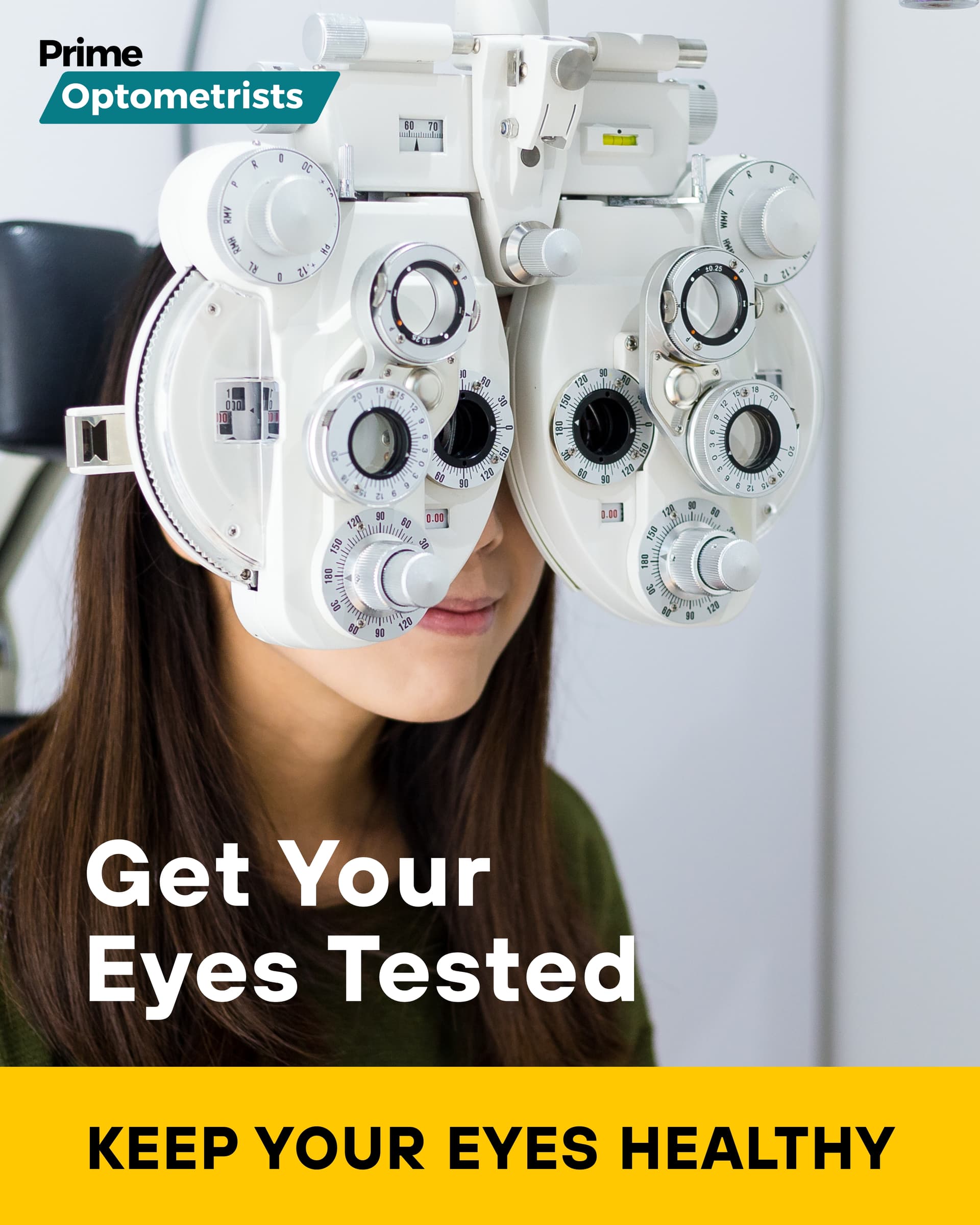
Dry eye assessment at Prime Optometrists Auburn,serving the Auburn Muslim community
Dr Tahiri understands and respects the needs of our diverse patient community. (02) 9761 0005 · Bulk billing available