

Diabetes is one of the most common chronic conditions in Auburn and the surrounding Western Sydney area. The prevalence of Type 2 diabetes is particularly high in South Asian, Middle Eastern, and Pacific Islander communities,all significant demographics in our patient population. And diabetic eye disease,specifically diabetic retinopathy,remains one of the most preventable causes of blindness in Australia.
Why Diabetic Eye Disease Is So Dangerous
Diabetic retinopathy produces no symptoms in its early and moderate stages. The patient sees normally, feels nothing, and has no reason to suspect their retina is being progressively damaged. By the time symptoms appear,blurred vision, floaters, dark patches,significant and potentially irreversible damage has already occurred. This is why annual monitoring is not a recommendation but a clinical necessity.
Elevated blood glucose over time damages the small blood vessels of the retina. They leak, swell (macular oedema), and eventually close off. The eye responds to poor blood supply by growing new, fragile blood vessels (neovascularisation) that bleed easily and can cause retinal detachment.
How Often Should Diabetics Have Eye Tests?
- Type 1 diabetes: Annual comprehensive eye exam from 5 years after diagnosis (or from puberty)
- Type 2 diabetes: Annual comprehensive eye exam from the time of diagnosis,because Type 2 is often present for years before detection, retinopathy may already be present at diagnosis
- Gestational diabetes: Eye testing recommended during pregnancy if glucose control is poor
- More frequent monitoring: If retinopathy is detected, frequency increases to every 3–6 months
What the Exam Involves
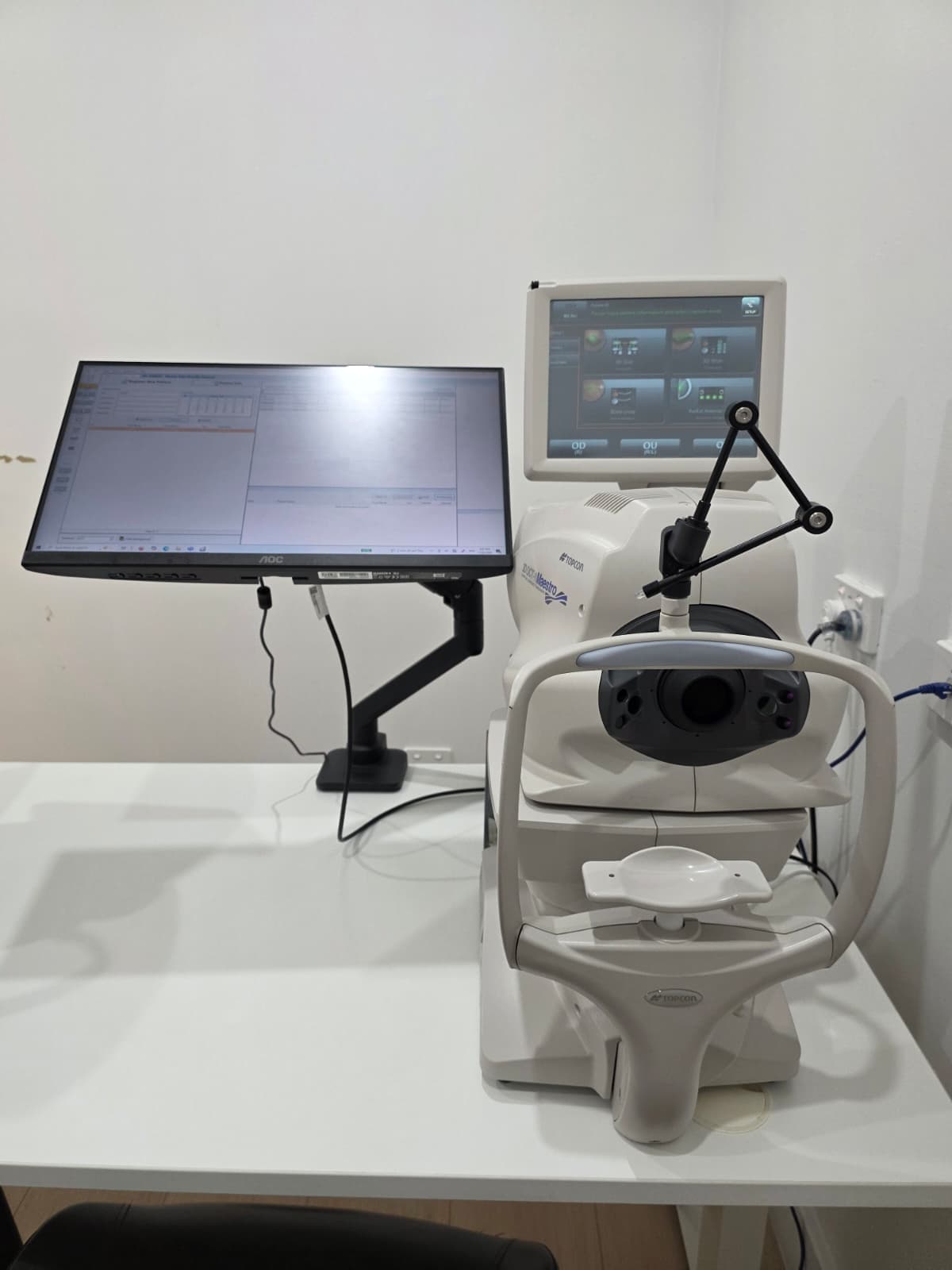
Dr Tahiri's diabetic eye examination includes: visual acuity, intraocular pressure, slit lamp examination of the anterior segment, dilated or undilated retinal examination, and OCT imaging of the macula to detect subclinical macular oedema before it affects vision. A detailed report is provided for the patient's GP or endocrinologist.
What Medicare Covers
A comprehensive eye examination for a diabetic patient is bulk billed under Medicare with a valid Medicare card. Additional OCT imaging attracts a separate Medicare item number. Out-of-pocket costs may apply for OCT depending on how it is billed,Dr Tahiri discusses this transparently at time of booking.
Annual diabetic eye exam at Prime Optometrists Auburn,bulk billed
Dr Tahiri provides detailed retinal assessment and GP liaison reports. (02) 9761 0005 · 43 Auburn Rd Auburn NSW 2144