

FL-41 Tinted Lenses, Auburn NSW
FL-41 Glasses for Dry Eye and Chronic Ocular Pain with Light Sensitivity
A 2024 fMRI study in the American Journal of Ophthalmology found FL-41 tinted lenses reduce cortical activation in pain-processing areas in patients with chronic ocular pain.
Photophobia is a common and debilitating symptom in moderate to severe dry eye disease. A neuroimaging study now provides objective evidence for how FL-41 lenses may reduce the central processing of light-mediated pain. Dr Zobaida Tahiri, therapeutically endorsed optometrist, provides clinical assessment at our Auburn NSW practice.
Photophobia in Dry Eye Disease
Photophobia, or pathological light sensitivity, is a common and frequently overlooked symptom in moderate to severe dry eye disease. For many patients, light sensitivity is as functionally disabling as the dryness, stinging, and irritation that are more commonly associated with dry eye, yet it often receives less clinical attention.
Patients with dry eye and significant photophobia frequently report an inability to tolerate fluorescent lighting, difficulty using screens for extended periods, and discomfort in brightly lit outdoor environments. In severe cases, photophobia can limit the ability to work, drive, and engage in ordinary daily activities.
It is important to understand that FL-41 tinted lenses do not treat dry eye disease. Dry eye disease is a multifactorial condition requiring dedicated management of the underlying tear film dysfunction. FL-41 lenses may help manage the photophobic component when it is a significant and separate functional burden, as part of a comprehensive management plan.
A clinical assessment with Dr Zobaida Tahiri can help determine whether FL-41 lenses are an appropriate addition to your current dry eye management, and whether the photophobic component of your symptoms is likely to respond to wavelength-selective filtering.
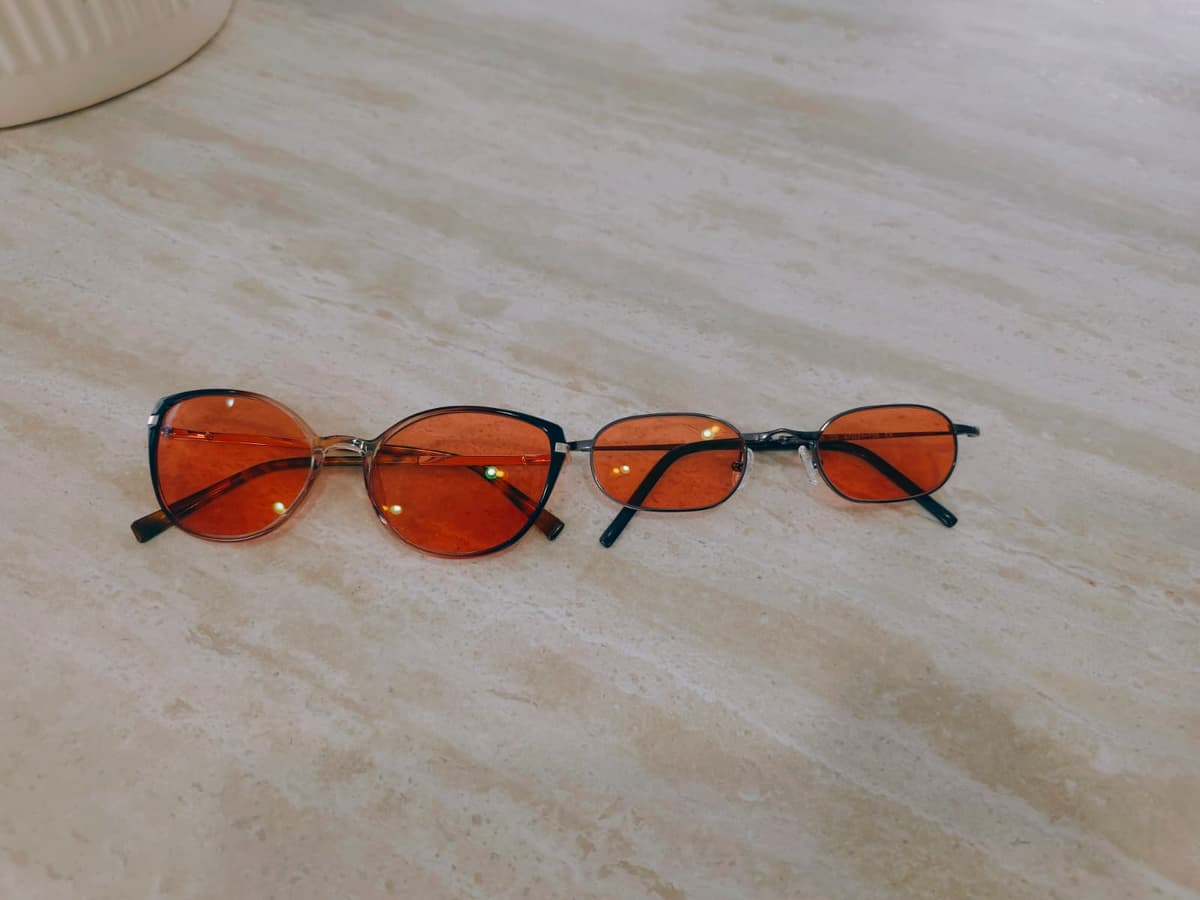
How FL-41 May Help with Dry Eye Photophobia
Understanding the mechanism of photophobia in dry eye explains why wavelength-selective filtering may offer relief for the photophobic component.
Sensitised Corneal Nociceptors
In dry eye disease, particularly in moderate to severe forms, the corneal surface becomes chronically irritated and inflamed. This leads to sensitisation of the corneal nociceptors, the pain-sensing nerve fibres of the corneal surface. Sensitised nociceptors have a lower threshold for activation, meaning that stimuli that would normally be non-painful, including ordinary levels of ambient light, are interpreted as painful signals by the nervous system.
Central Pain Pathway Activation
The signals from sensitised corneal nociceptors travel via the trigeminal nerve to central pain processing areas in the brain. This central sensitisation can amplify pain signals beyond what the peripheral input alone would generate. In this state, the central nervous system itself becomes a driver of pain, explaining why photophobia can be severe even when the ocular surface appears only mildly affected. FL-41 lenses reduce the peripheral light input that feeds into these sensitised central pathways.
The Blue-Green Wavelength Problem
The 480 to 520nm blue-green wavelength range most strongly activates the intrinsically photosensitive retinal ganglion cells (ipRGCs), which project to pain-processing areas of the brain. Fluorescent lighting, LED screens, and many modern light sources are enriched in this wavelength range. For patients with dry eye whose ocular pain pathways are already sensitised, this constant blue-green exposure contributes to sustained photophobic symptoms throughout the working day.
Who This Is Appropriate For
FL-41 lenses for dry eye-related photophobia are most appropriate for patients with confirmed dry eye disease where photophobia is a significant symptom affecting daily function, and where the dry eye is already being actively managed. They are not a first-line treatment and should not be considered before a comprehensive assessment of the dry eye condition itself, including the identification and treatment of any meibomian gland dysfunction or inflammatory component.
The Evidence
A 2024 neuroimaging study provides the most detailed mechanistic evidence to date for how FL-41 lenses affect pain processing in patients with chronic ocular pain.
2024 fMRI Study, American Journal of Ophthalmology
Neural Effects of FL-41 in Chronic Ocular Pain
A 2024 study published in the American Journal of Ophthalmology used functional MRI to examine the neural effects of FL-41 tinted lenses in patients with chronic ocular pain. The study found that FL-41 tinted lenses decreased activation in cortical areas involved in the processing of both the affective and sensory-discriminative dimensions of pain.
The affective dimension of pain refers to the emotional suffering component, the distress, fear, and unpleasantness associated with experiencing pain. The sensory-discriminative dimension refers to the intensity, location, and quality of the pain stimulus. By demonstrating reduced activation in areas processing both dimensions, this study provides neuroimaging evidence that FL-41 lenses act on central pain processing, not merely at the level of peripheral light transmission.
This is the most mechanistically detailed study to date examining how FL-41 lenses affect the brain's processing of photophobic pain in patients with chronic ocular conditions.
Important Caveat
FL-41 tinted lenses do not treat dry eye disease. The 2024 AJO study examined patients with chronic ocular pain and light sensitivity, not dry eye disease specifically. FL-41 lenses may help manage the photophobia associated with dry eye when it is a significant functional burden, but dry eye disease requires its own dedicated treatment addressing the underlying tear film dysfunction. Do not use FL-41 lenses as a substitute for dry eye management.
What to Expect at Your Consultation
Dr Zobaida Tahiri, therapeutically endorsed optometrist, can assess both your dry eye condition and your photophobic symptoms at our Auburn NSW practice.
Dry Eye and Ocular Surface Assessment
As a therapeutically endorsed optometrist, Dr Tahiri can perform a comprehensive dry eye assessment including tear film evaluation, meibomian gland assessment, and ocular surface staining. Existing dry eye management will be reviewed and optimised where appropriate.
Photophobia Assessment
Your pattern of light sensitivity will be assessed in the context of your dry eye presentation. Dr Tahiri will identify the specific environments that worsen your photophobia and assess whether FL-41 lenses are likely to provide meaningful benefit for your specific symptom pattern.
Integrated Management Plan
Where FL-41 lenses are appropriate, they will be recommended as part of a broader management plan that also addresses the underlying dry eye condition. Prescription and tint density recommendations will be made based on your assessment findings and daily environments.
Frequently Asked Questions
Common questions about FL-41 glasses for dry eye photophobia and chronic ocular pain.
Does dry eye cause light sensitivity?
Can FL-41 glasses help with dry eye?
What did the 2024 American Journal of Ophthalmology study find?
Will FL-41 glasses replace my dry eye treatment?
Who is FL-41 most appropriate for in the context of dry eye?
Are FL-41 glasses available online for dry eye photophobia?
Disclaimer: FL-41 lenses are precision-tinted optical lenses, not a therapeutic device. They are not a substitute for medical management. Results vary between individuals. Always consult your treating clinician.
Book Your Assessment
Dr Zobaida Tahiri, therapeutically endorsed optometrist, can assess your dry eye condition and photophobic symptoms at our Auburn NSW practice. Prescription FL-41 lenses available in-clinic and delivered across Australia.
43 Auburn Road, Auburn NSW 2144 | (02) 9761 0005